
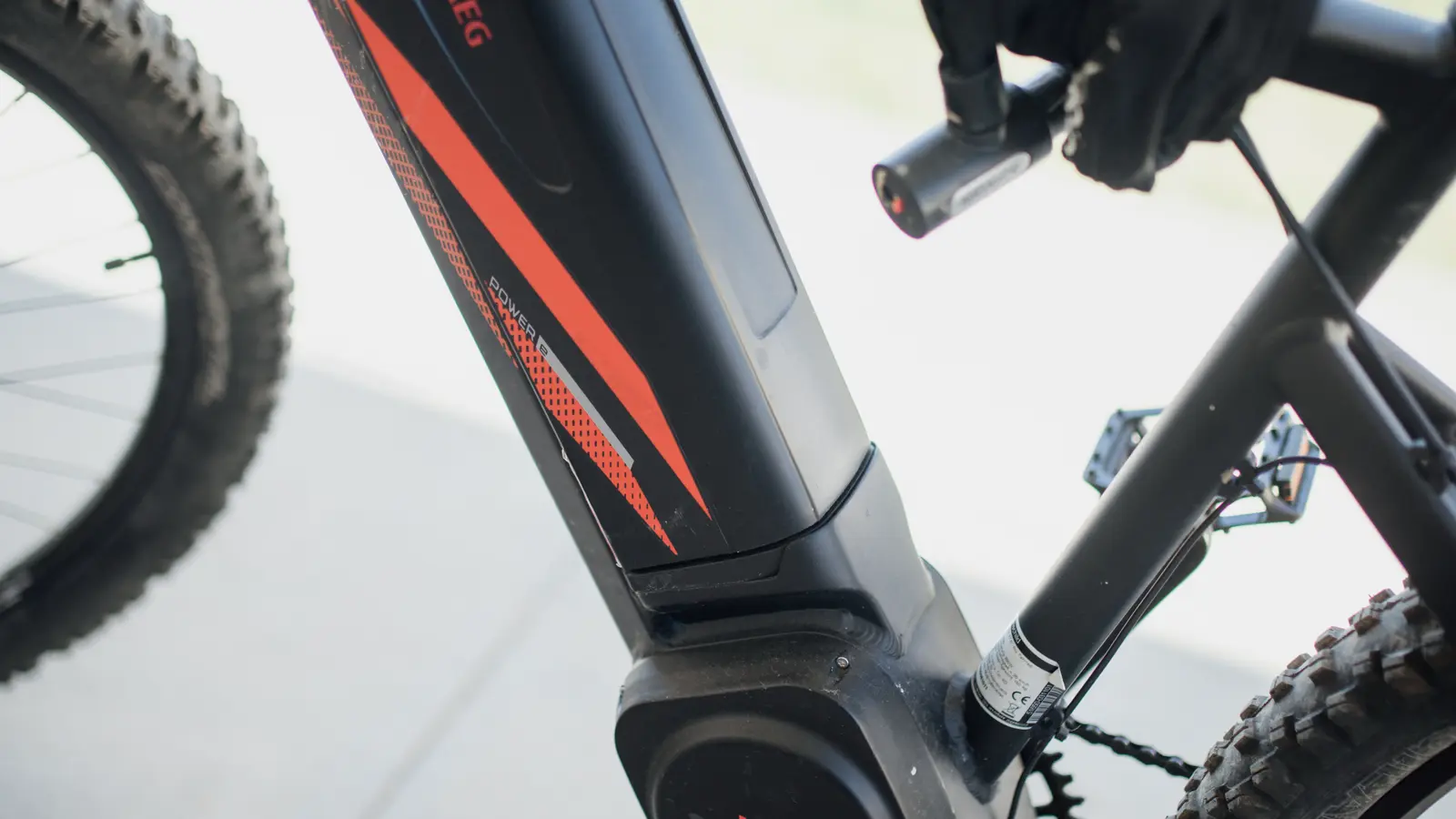
Battery Recall Finder: Start Here
If your e-bike battery is acting weird, losing range, swelling, overheating, or simply getting old, do not start by shopping for the cheapest replacement pack online. Start by checking whether your bike, battery, or charger has been recalled.
This guide gives you a simple battery recall finder workflow, then walks through replacement options, costs, compatibility checks, and red flags that mean you should stop riding immediately.
The 10-Minute Recall Check
Before you buy anything, collect the numbers on the bike and battery. You are looking for exact identifiers, not just the brand name.
- Bike brand and model name from the frame or purchase receipt.
- Battery brand and model number from the pack label.
- Serial number from the battery label, frame label, or app.
- Charger model number and output voltage from the charger brick.
- Purchase date and retailer from your receipt or order history.
- Voltage and capacity such as 36V, 48V, 52V, 500 Wh, or 672 Wh.
- Connector shape and mounting rail if you are comparing replacement packs.
Then check three places:
- CPSC recall database: Search the U.S. Consumer Product Safety Commission recall database for the bike brand, battery brand, model number, and charger model.
- Manufacturer recall page: Search the brand site for “recall,” “safety notice,” “battery replacement,” and your model name.
- Retailer or dealer notices: Check the shop where you bought the bike, especially if it came from a local dealer, Amazon marketplace seller, or direct-to-consumer brand.
If you find a match, follow the recall instructions exactly. Many recalls include a free replacement battery, charger, inspection, refund, or repair path. Do not pay for a replacement until you know whether the manufacturer owes you one.
Quick Decision Guide
Battery replacement decision guide
data| Situation | What It Usually Means | Best Next Step |
|---|---|---|
| Battery is recalled | Known safety issue or noncompliant part | Stop charging and follow the recall remedy |
| Range is down 30-40% | Normal aging or weak cells | Price an OEM pack or shop diagnostic |
| Battery shuts off under load | Voltage sag, bad BMS, or worn cells | Have a dealer test it before buying a pack |
| Pack is swollen or smells chemical | Potential thermal runaway risk | Stop using it and contact the manufacturer |
| Charger gets very hot | Bad charger, wrong charger, or damaged pack | Stop charging until compatibility is verified |
Safety Standards to Look For
The safest replacement battery is usually the original pack from the bike manufacturer. If that is not available, look for documentation instead of vague listing copy.
- UL 2849 covers the full e-bike electrical system, including battery, charger, motor, and controller as a system.
- UL 2271 covers batteries used in light electric vehicles.
- Matched charger and battery labels matter. The charger output voltage must match the battery’s required charge voltage.
- Name-brand cells from Samsung, LG, Panasonic, Murata, or other reputable cell makers are a plus, but the pack design and battery management system still matter.
- Clear seller support matters more than a low price. You want a company that can answer compatibility questions and handle warranty claims.
Avoid listings that only say “fits most e-bikes,” hide the cell brand, omit the BMS rating, or ship with a mystery charger.
Replacement Battery Cost: What to Budget
Replacement battery cost depends on watt-hours, case type, brand support, and whether the pack is OEM or aftermarket. Use the replacement battery cost ranges below as a sanity check before you trust a too-cheap listing.
Replacement battery cost ranges
data| Battery Type | Typical Cost | When It Makes Sense |
|---|---|---|
| Small commuter pack, 350-500 Wh | $250-$500 | Budget commuters and folding e-bikes |
| Mid-size pack, 500-750 Wh | $400-$800 | Most commuter, cargo, and fat tire e-bikes |
| Large cargo or e-moto pack | $700-$1,500+ | Heavy cargo bikes, high power bikes, and electric dirt bikes |
| Re-cell service | $300-$700 | Older bikes with discontinued cases, only from qualified rebuilders |
Cheap packs can look tempting, but a bad battery can damage the controller, strand you, or create a fire risk. If the bike is worth keeping, buy the safest compatible pack you can justify.
If the replacement battery quote gets close to the value of the whole bike, compare that repair against a safer used or certified replacement bike before buying a mystery pack. The goal is not to throw away a repairable e-bike, it is to avoid spending hundreds on a pack that still leaves you with an unsupported or unsafe system.
Compatibility Checklist Before You Buy
A replacement pack has to match more than the advertised voltage.
Electrical Fit
- Match the bike’s battery voltage, usually 36V, 48V, or 52V.
- Confirm the charger voltage, not just the label on the bike.
- Check the BMS continuous current rating against the controller’s current draw.
- Make sure the discharge connector matches or can be professionally adapted.
- Do not mix a higher-voltage pack into a controller that is not rated for it.
Physical Fit
- Confirm the case style, mounting rail, lock position, and slide direction.
- Measure the pack length and frame clearance before ordering.
- Check whether the battery has an integrated controller cradle or proprietary data connector.
- For cargo bikes, confirm that the pack clears bags, child seats, racks, and frame accessories.
Software and Brand Lock Fit
Some newer e-bikes use batteries that communicate with the display, controller, or app. A pack with the same voltage and shape may still fail if the system expects a proprietary BMS handshake.
If your bike has app-based diagnostics, locked assist modes, or a smart display, ask the manufacturer or a local dealer before buying an aftermarket battery.
When a Local Dealer Is Worth It
A good shop can test voltage, inspect the mount, confirm charger output, and tell you whether the problem is actually the battery. Sometimes a weak charger, corroded contact, loose cradle, or controller issue looks like a bad pack.
Use a dealer when:
- The bike is a premium brand or cargo bike.
- The battery is integrated into the frame.
- You see error codes on the display.
- The pack cuts out while climbing or accelerating.
- You are not sure whether the charger is original.
- You need safe disposal for the old pack.
If you need help nearby, start with the RoostMode dealer search and call ahead to ask whether the shop services your brand and tests e-bike batteries.
What to Do With the Old Battery
Do not throw an e-bike battery in household trash. Lithium packs need proper recycling or hazardous waste handling.
- Ask the dealer or manufacturer whether they accept the old pack.
- Check Call2Recycle or your local municipal hazardous waste program.
- Tape exposed terminals before transport.
- Keep the pack away from heat, direct sun, and flammable material while waiting for drop-off.
- If the pack is swollen, leaking, smoking, or hot, call your local fire department’s non-emergency line or hazardous waste authority for instructions.
Red Flags That Mean Stop Charging
Stop charging and stop riding if you notice any of these:
- Swelling, cracking, leaking, or case separation.
- A sweet, solvent, burnt, or chemical smell.
- Heat that feels unusual during charging or storage.
- Charger light behavior that changed suddenly.
- Repeated fuse trips, sparks, or popping sounds.
- The battery falls from 50% to empty under normal load.
- A recall notice matches your model number or serial number.
A replacement battery is expensive. A house fire is worse.
How to Avoid Buying Into the Same Problem Again
When you replace the pack, also fix the habits that wore out the old one.
- Store around 40-80% charge when you are not riding for a week or more.
- Do not leave batteries baking in a hot garage or car.
- Let the pack cool before charging after a hard ride.
- Use the correct charger, not a random charger with a plug that fits.
- Keep contacts dry and clean.
- Register the bike with the manufacturer so recall notices can reach you.
- Save the serial number, model number, and receipt in a note or photo album.
Frequently Asked Questions
FAQ
+How do I know if my e-bike battery has been recalled?
+Can I replace my e-bike battery with a higher-capacity pack?
+Is an aftermarket e-bike battery safe?
+Should I rebuild or re-cell an old e-bike battery?
+Where can I recycle an old e-bike battery?
Bottom Line
Treat battery replacement as a safety decision, not just a shopping decision. Check recalls first, write down the model number and serial number, verify the charger, and avoid mystery packs that promise huge range for suspiciously low prices.
If the pack is recalled, swollen, overheating, or behaving unpredictably, stop riding and get help before you charge it again.
Read next
How Long Does an E-Bike Battery Last?
Understand real range, cycle life, replacement timing, and charging habits.
E-Bike Maintenance 101
Keep brakes, tires, drivetrain, and electrical basics in check.
Find an E-Bike Dealer or Service Shop
Search local shops that can inspect batteries, chargers, mounts, and diagnostics.