
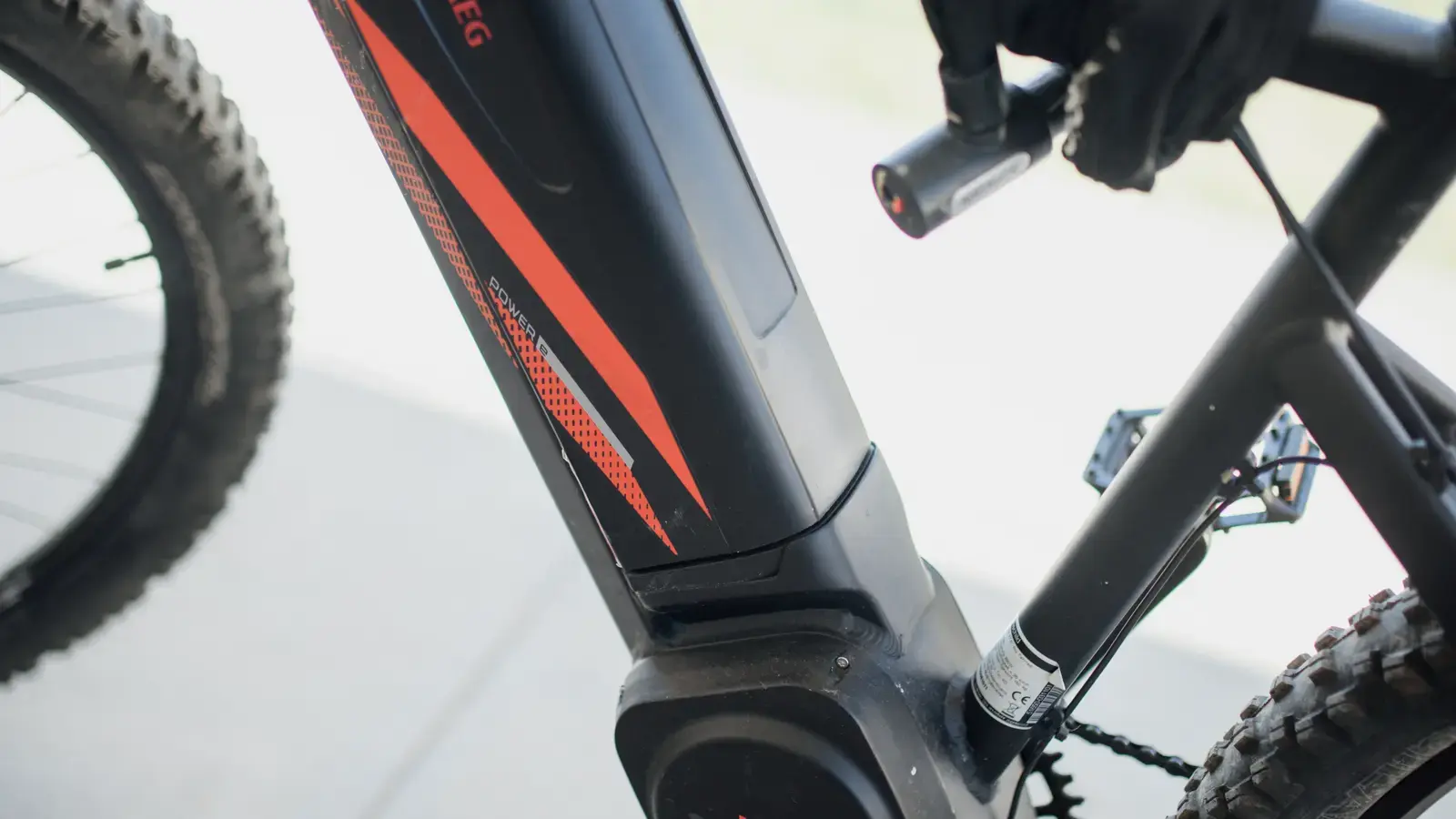
The U.S. Consumer Product Safety Commission has proposed a federal safety rule for the lithium-ion batteries used in e-bikes and other micromobility products. The proposed rule was published in the Federal Register on June 24, 2026, and the public comment period runs through August 24, 2026. If it moves forward, it would be one of the first nationwide requirements aimed directly at the battery and electrical systems inside the e-bike you ride.
For anyone shopping for an e-bike, running a repair shop, or holding onto an older pack, this is worth understanding in plain terms. Here is what the proposal actually says, and what it could mean for your next purchase.
What The Rule Covers
The CPSC frames the rule around a specific hazard: thermal runaway of lithium cells. When a cell fails this way, it can lead to fires, explosions, gas releases, burns, overheating, and smoke inhalation. Those are the failures behind the battery fire stories that have driven this whole effort.
Rather than write entirely new engineering specs from scratch, the proposal would require electrical systems using lithium-ion batteries to comply with existing voluntary industry standards, with some modifications. The standards named in the proposal are ones the safety world already uses:
- UL 2849:2020 for e-bike electrical systems
- ANSI/CAN/UL 2272:2024 for personal e-mobility devices
- ANSI/CAN/UL/ULC 2271:2023 for user-replaceable battery packs
Many reputable e-bike brands already build to these standards voluntarily. The difference is that the proposal would make compliance a federal requirement rather than a marketing choice. The proposal also states that some micromobility products that are children’s products would require third-party testing.
The Specific Changes Named In The Proposal
The proposal spells out several modifications to the borrowed standards. In practical terms, these are the parts that touch how a battery and its charger behave:
- Tamper-resistant battery enclosure requirements drawn from UL 2272-24, meant to make packs harder to open and rebuild.
- A post-discharge charge test to confirm the battery management system refuses to charge if a cell surface temperature climbs above a set upper limit.
- A reverse-polarity test aimed at reducing the risk that comes from an incompatible charger.
- Revised warning labels covering electric shock, thermal runaway, homemade batteries, and unsafe charging.
None of that changes how fast your bike goes or how far it rides. It targets the failure points that turn a bad battery or a mismatched charger into a fire.
What Could Change For Riders And Buyers
This is a proposed rule, not law, so nothing about your current bike changes today. But the direction is clear enough to think through.
For buyers of new bikes, a federal standard would raise the floor. The gap between a certified pack from an established brand and a bargain import with no listed standard would carry legal weight, not just a reputational one. If you have ever compared two similar-looking bikes and could not tell which battery to trust, a required standard makes that comparison easier.
For owners of replacement and aftermarket packs, this is the area to watch. Coverage of user-replaceable battery packs and tamper-resistant enclosures could affect what replacement batteries are sold, how repair shops source them, and whether cheap third-party packs stay on the market. If your battery is aging and you are weighing a replacement, it is worth understanding how long an e-bike battery actually lasts before you assume you need a new one, and buying a pack that matches your bike from a source that lists a standard.
For the conversion-kit and DIY crowd, the reverse-polarity and charger requirements are a direct signal. A large share of serious battery fires trace back to mismatched chargers and homemade packs, which is exactly what the revised warning labels and tests call out. Conversion builders should expect more scrutiny on chargers and cells, not less.
For commercial fleets and delivery riders, standardized battery and charging requirements could reshape which bikes and packs are allowed in buildings and depots, since many of the worst fires have happened in dense residential and commercial settings.
The Trade-Off Worth Naming
Stronger battery standards are good for trust. A rider should not have to become a battery engineer to avoid buying something that can burn down an apartment. A clear federal line helps honest brands and gives buyers a real signal.
The open questions are cost and availability. Requiring certification, third-party testing for children’s products, and tamper-resistant designs can add cost and can push some low-end products and unbranded replacement packs off the market. Whether that lands as slightly higher prices, fewer bargain options, or both is not something the proposal settles, and we are not going to pretend to know. Those effects depend on the final rule and how manufacturers respond.
It is also worth remembering that battery safety is only one part of the regulatory picture for e-bikes. Class definitions and where you can legally ride are handled separately and vary widely. If you are new to how bikes are categorized, our guide to e-bike classes 1, 2, and 3 explains the framework, and our rundown of e-bike laws by state for 2026 covers the rules that change from place to place.
What To Do Now
Nothing about this proposal requires you to act today. But there are a few sensible moves:
- If you are buying a new e-bike, look for a battery and electrical system that lists UL 2849 or the related UL 2271 and UL 2272 standards. That is already the safer choice and is where the rule is heading.
- If you need a replacement pack, buy one built for your specific bike from a source that names a standard, and use the charger that matches it.
- If you have an opinion on the proposal, the public comment period is open through August 24, 2026, and the Federal Register document explains how to file a comment.
The CPSC has been signaling for a while that voluntary compliance was not enough on its own. This proposal is the formal step. For most riders on quality bikes, the day-to-day experience will not change. The point is to make the unsafe options harder to sell.