
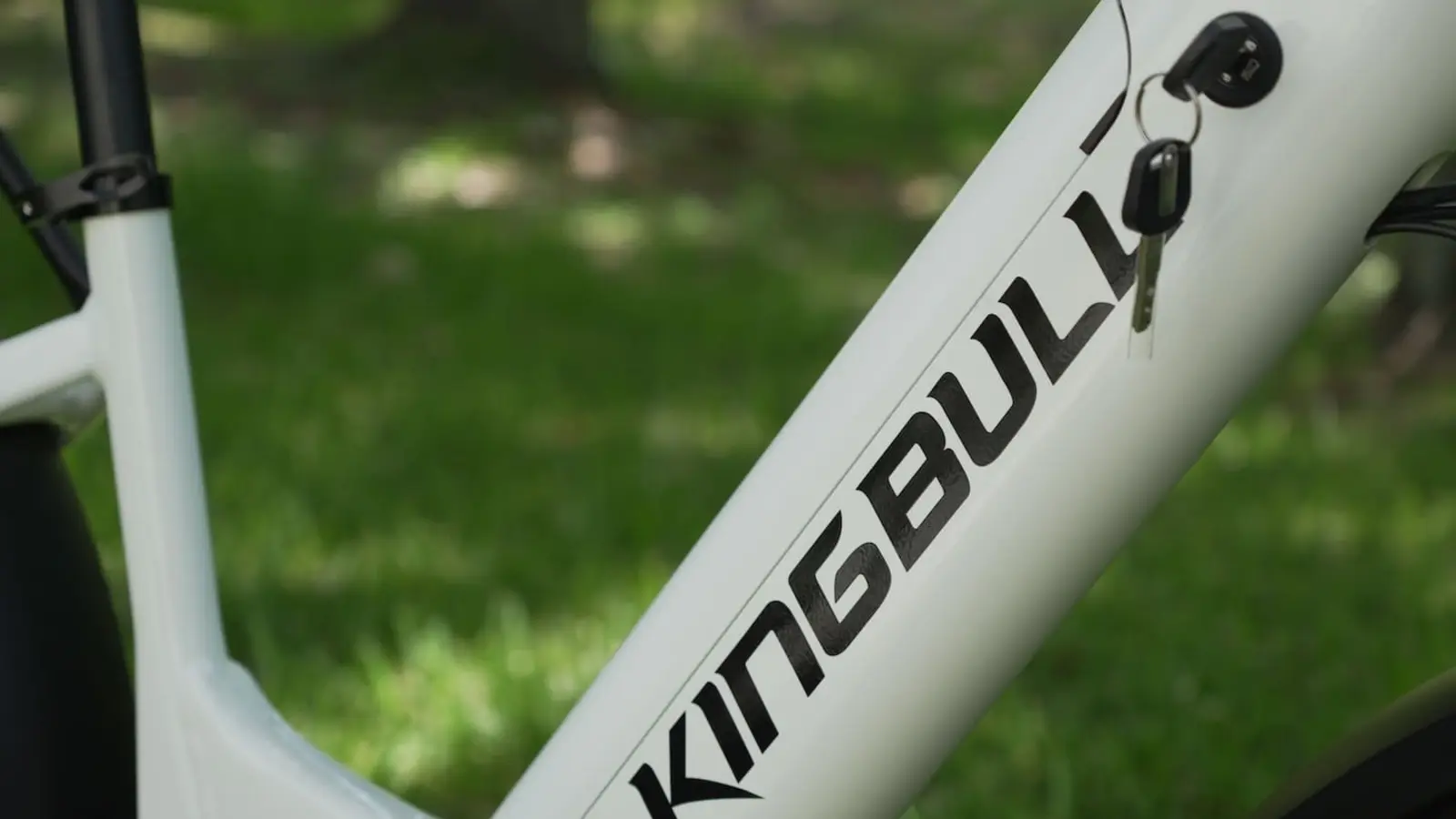
Kingbull sells the Discover ST 2.0 as a premium off-road and city e-bike. Electrek’s Micah Toll, who published a review of the bike on July 24, 2026, landed on a more useful verdict: the word premium oversells it, but the bike gets the fundamentals right at a price where fundamentals are usually the first thing cut.
That distinction matters more than it sounds. At the $1,119 price Electrek displayed at publication, plenty of fat-tire e-bikes make premium-sounding claims and then skimp on the parts you feel every ride: the assist sensor, the brakes, the battery cells. Toll’s report suggests Kingbull spent its budget in the right places and left the polish for another day.
Here is what Toll actually observed on the bike, which numbers come from Kingbull rather than from riding, and the direct-to-consumer question every buyer should answer before clicking order.
What Kingbull Claims and What Toll Observed
The spec sheet, as Electrek relays it, reads well above the price point. A 750W Bafang rear hub motor paired with a torque sensor, a 48V 15Ah battery (720Wh) built with Samsung cells, Zoom two-piston hydraulic disc brakes, a Shimano Altus seven-speed drivetrain, 26 x 4 inch tires, and an 80 mm coil suspension fork with lockout. Kingbull also claims UL 2849 certification for the bike’s electrical system and UL 2271 for the battery, plus up to 60 miles of range.
Keep the two categories separate. The paragraph above is what Kingbull says. What follows is what Toll reported from his time on the bike, and the overlap is where the bike earns its recommendation.
Kingbull Discover ST 2.0: manufacturer claims versus Electrek's ride notes
data| Item | What is reported | Source |
|---|---|---|
| Price | $1,119 displayed at publication; subject to change | Electrek listing |
| Motor | 750W Bafang rear hub; smooth, predictable acceleration in Toll's riding | Kingbull claim / Electrek ride notes |
| Assist | Torque sensor; assist felt natural rather than switch-like | Kingbull claim / Electrek ride notes |
| Battery | 48V 15Ah, 720Wh, Samsung cells per Kingbull | Kingbull claim via Electrek |
| Claimed range | Up to 60 miles; no measured test reported in Electrek's review or verified by RoostMode | Kingbull claim via Electrek |
| Certification | UL 2849 system and UL 2271 battery, per Kingbull | Kingbull claim via Electrek |
| Brakes | Zoom two-piston hydraulic discs; solid power, predictable modulation | Kingbull claim / Electrek ride notes |
| Fork | 80 mm coil with lockout; adequate but not plush, longevity questioned | Kingbull claim / Electrek ride notes |
| Tires | 26 x 4 inch fat tires; smoothed broken pavement, handled gravel and light trails | Kingbull claim / Electrek ride notes |
| Weight | Around 77 lb (35 kg) per Kingbull; Toll confirms it rides heavy | Kingbull claim / Electrek ride notes |
Where the Ride Notes Back Up the Pitch
The most encouraging part of Toll’s report is the drivetrain feel. Many budget fat-tire e-bikes pair a hub motor with a cadence sensor, which applies power based on whether the cranks are turning. A torque sensor instead measures how hard the rider is pedaling and scales the assist to match. The Discover ST 2.0 uses a torque sensor, and Toll describes the assist as natural, with power arriving in proportion to pedal effort. That is one of the biggest ride-quality upgrades a budget e-bike can offer, and since retrofitting one to a finished bike is impractical for most owners, it is worth choosing up front.
Power delivery held up too. Toll found the Bafang motor smooth and predictable, with enough grunt for city riding, bike paths, and moderate hills. The Zoom hydraulic brakes delivered solid stopping power with predictable modulation, which matters on a bike this heavy. The display was vivid and readable, and the fat tires did what fat tires do: soaked up broken pavement and handled gravel, grass, and light trails without drama.
Toll is equally clear about the ceiling. This is not a mountain bike, and the 80 mm coil fork is the giveaway. He calls it adequate rather than plush and openly questions how long it will hold up. Fit and finish came in at acceptable, not exceptional. None of that is disqualifying at this price, but it is exactly the gap between value and premium that Toll’s headline points at.
The 77 Pound Reality Check
Kingbull lists the bike at around 77 pounds, and Toll’s riding confirms it feels heavy. Before you order, think through every lift in your week, not just the ride. Carrying a 77 lb bike up a flight of stairs is a serious effort for many riders, and some will want a second set of hands. Loading it into a pickup bed or an SUV alone can be awkward for the same reason.
Car racks deserve special attention. Many popular hitch racks carry per-bike weight ratings in the 50 to 60 lb range, which this bike exceeds before you add a lock and a full rear bag. If you plan to drive to trailheads, check your rack’s rated capacity against the real weight of the bike, and remember that fat tires also need wider wheel trays than many racks ship with.
Weight also shapes the range math. Kingbull claims up to 60 miles. Electrek’s review did not report a measured run-down test, and RoostMode has not verified one. Manufacturer range figures are generally produced at low assist on flat ground, and a heavy bike on 4 inch rubber pays a constant rolling-resistance tax that skinnier commuter tires do not. Fat tires are the reason the bike floats over rough ground, and they are also the reason your battery drains faster on smooth pavement.
The UL story needs the same discipline. Kingbull claims UL 2849 certification for the electrical system and UL 2271 for the battery, and Electrek reports those claims. Recognized third-party certification is an important battery-safety signal, because it means an independent lab evaluated the electrical system and battery against published standards. But a claim on a product page is not the same as a listing you have verified. We could not load Kingbull’s page to check, and the claimed listings were not independently verified here. If your building or insurer requires certification, verify the documentation with Kingbull before you order.
The Direct-to-Consumer Tradeoff Nobody Prices In
The Discover ST 2.0 sells direct from Kingbull, and Toll flags the consequence plainly: ownership may require mechanical confidence, or a local shop willing to work on direct-sale brands. Shop policies vary. Some shops may decline direct-to-consumer models, and others may face parts or support constraints with newer brands, so the only way to know is to ask locally.
So the honest pre-purchase question is not whether the bike is a good value. It is who fixes it in month eight when a brake lever goes soft or the freewheel starts skipping. If the answer is you, budget for basic tools and learn the routine jobs; our e-bike maintenance primer covers the skills that keep a hub-drive bike healthy. If the answer is a shop, call one or two near you before ordering and ask directly whether they service direct-to-consumer brands. Our dealer directory is a reasonable place to start that search.
Also note what we could not check. Kingbull’s product page returned a denial page when we tried to load it, so we could not confirm current price, availability, specs, or what the warranty actually covers. None of that is an accusation; sites block automated access all the time. It just means the burden of confirming warranty length, parts availability, and return terms sits with you, in writing, before money moves.
Who Should Shortlist It, and Who Should Not
Based on Electrek’s report, the Discover ST 2.0 belongs on your shortlist if you want one bike for pavement commuting plus gravel paths and light trails, you store it at ground level, you can handle basic maintenance or have confirmed a willing local shop, and you care more about ride feel fundamentals, meaning the torque sensor, hydraulic brakes, and a big battery, than about finish quality. At the displayed $1,119, that combination is hard to find.
Skip it if your routine means regularly hauling 77 lb up stairs and that is more lifting than you want, if your car rack tops out below the bike’s weight, if you need verified certification paperwork for a building or insurer and Kingbull cannot produce it, or if you want genuine mountain bike capability, which the basic fork rules out. Riders who mostly roll smooth pavement should also weigh whether they want to pay the fat-tire efficiency penalty at all; our best commuter e-bikes under $1,500 guide covers alternatives with faster-rolling tires at similar money.
Our read of the published evidence, not a test of our own: Toll’s review describes a bike whose strengths are the ones you feel on every ride and whose weaknesses are visible before you buy. That is the right kind of tradeoff at this price, provided you go in with the service question already answered.
FAQ
FAQ
+How much does the Kingbull Discover ST 2.0 cost?
+Did anyone actually ride this bike, or is this all spec-sheet analysis?
+Is the Discover ST 2.0 UL certified?
+What is the real-world range of the Discover ST 2.0?
+Can I get a Kingbull serviced at a local bike shop?
+Is the Kingbull Discover ST 2.0 good for mountain biking?
Sources
- Kingbull Discover ST 2.0 review (Electrek, Micah Toll, July 24, 2026) (Electrek discloses income-earning auto affiliate links)
- Kingbull Discover ST 2.0 official product page (Kingbull) (returned a denial page during our direct verification; confirm current price, specs, and availability with Kingbull)