
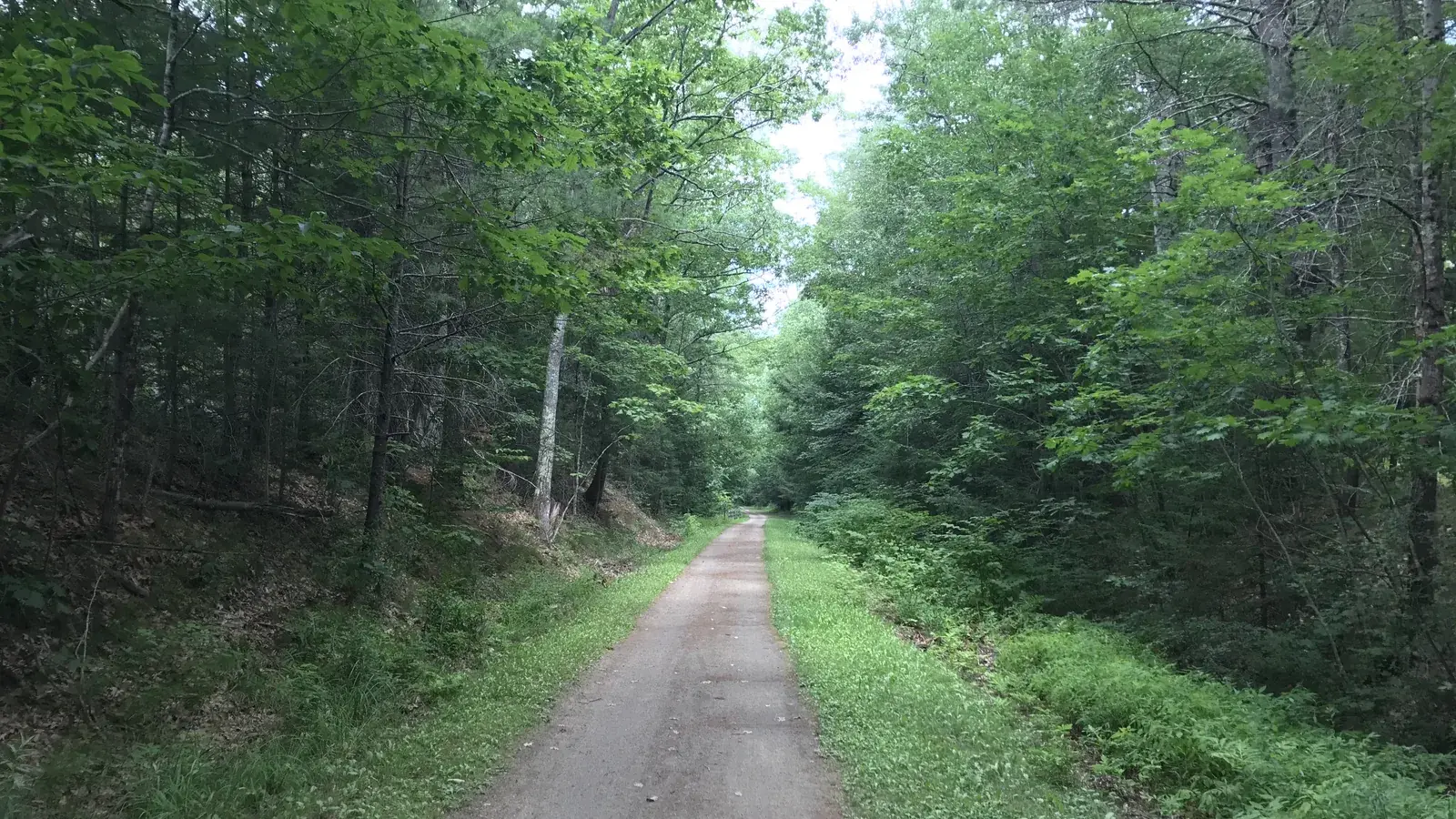
Maine has not rewritten its e-bike law in 2026. The core rules still come from the 2019 act that created the three-class system, with a 2021 amendment. They hold a few surprises for families. A 14-year-old may legally ride a pedal-assist Class 1 bike but not a throttle Class 2. And a rail trail with a gravel surface can be off limits to every class of e-bike unless the trail manager allows them.
The one recent change is about money, not riding. In 2025, Maine set conditions for any e-bike incentive paid through the state’s electric vehicle fund. Here is what the statutes say now.
What counts as an e-bike in Maine
Under 29-A M.R.S. § 101(22-B), an electric bicycle has two or three wheels, fully working pedals and an electric motor of less than 750 watts. It must also fit one of three classes:
- Class 1: the motor helps only while you pedal and stops at 20 mph.
- Class 2: the motor can drive the bike without pedaling, but not at 20 mph or above.
- Class 3: the motor helps only while you pedal and stops at 28 mph. Class 3 bikes must have a speedometer.
You do not need a driver’s license, registration, plates or insurance for an e-bike. Sellers must attach a permanent label showing the class, top assisted speed and motor wattage.
Maine also has an older category called the motorized bicycle. It covers a bike whose motor is rated at no more than 1.5 brake horsepower and can push it unassisted to 25 mph or less. E-bikes are expressly excluded from that category, so its 25 mph figure does not apply to them. For a side-by-side look at the classes, see our e-bike classes guide.
Riders under 16
Maine sets the age rules by class, in § 2063(14)(H):
- Under-16s may not operate a Class 2 or Class 3 e-bike. In practice, a younger rider is limited to Class 1.
- They may ride as a passenger on a Class 2 or 3 bike only if it is designed to carry passengers.
- Anyone under 16 must wear a fitted, fastened bicycle helmet on any e-bike, as operator or passenger.
The e-bike section sets no helmet rule for riders 16 and older. If a police chief finds that a rider under 17 broke § 2063, the chief may impound the bike: up to 5 days for a first offense, 10 days for a second and 30 days after that.
Where you can ride
Section 2063(14)(F) governs bike paths, multi-use paths and other bikeways:
- Class 1 and Class 2 may go anywhere a regular bicycle can, paths included, unless the town or agency in charge of a path bans them.
- Class 3 may not use a bicycle path unless the path is within a highway or roadway, or the agency in charge has authorized Class 3.
- Any class is barred from a path designated for nonmotorized traffic if “significant portions” of it have a natural surface, unless the manager authorizes e-bikes. The statute names gravel, stones and wooden bridging as natural surfaces.
That last rule is the one to check on Maine’s crushed-stone rail trails. Private landowners can still allow or ban e-bikes on their own ways and property.
For Maine state parks, our request to the Bureau of Parks and Lands rules page was refused, so this article could not confirm the current state park e-bike policy from an official page. Ask the park office before you go. On federal land, the National Park Service announced in 2019 that Class 1 e-bikes would be allowed where traditional bikes go in Acadia National Park, including the carriage roads, while Class 2 and 3 stayed off the carriage roads and Schoodic bike paths. That announcement is now archived, so check Acadia’s current rules too.
When an e-bike stops being an e-bike
Maine bans tampering that lets the motor help past 20 mph on throttle alone, or past 28 mph when the rider is pedaling. If a motor is modified past either limit, the statute says the vehicle “is no longer an electric bicycle.” Many machines in our electric dirt bikes hub sit past that line, so the e-bike exemptions from licensing and registration do not cover them.
The 2025 change: rules for an e-bike rebate
LD 1258, “An Act to Include Qualified Out-of-state Electric Vehicle Providers and Clarify Provisions Regarding Electric Bicycles Under the Electric Vehicle Fund,” became Public Law 2025, chapter 317. It became law without the governor’s signature on June 15, 2025. It lets the Efficiency Maine Trust extend its electric vehicle incentive program to e-bikes. If the Trust does, the law sets these conditions:
- the recipient must be a low- or moderate-income person, or an organization serving them;
- the e-bike must be the recipient’s principal way of commuting; and
- the bike must be bought, or leased for at least 36 months, from an authorized licensee of the manufacturer (in state, or out of state if it meets the same requirements) or from the manufacturer.
The law permits an incentive but does not create one. When this article was written, we did not find an active e-bike incentive on Efficiency Maine’s website. Ask the Trust directly before you count on a rebate.
What riders and parents should check
- Match the class to the rider’s age. Under 16 means Class 1, and a helmet.
- Ask about the surface. A gravel or stone-dust path posted as nonmotorized needs the manager’s approval for e-bikes.
- Keep the label accurate. A class or speed change means a new label.
To compare Maine with other states, see our state-by-state e-bike law guide. For local shops, see the Maine dealer page.
Sources
- 29-A M.R.S. § 101, definitions (electric bicycle, motorized bicycle)
- 29-A M.R.S. § 2063, bicycles and electric bicycles
- LD 1258 (132nd Legislature), status and chaptered law
- Public Law 2025, chapter 317, printed chapter
- National Park Service, Acadia Class 1 e-bike announcement (Sept. 28, 2019, archived)