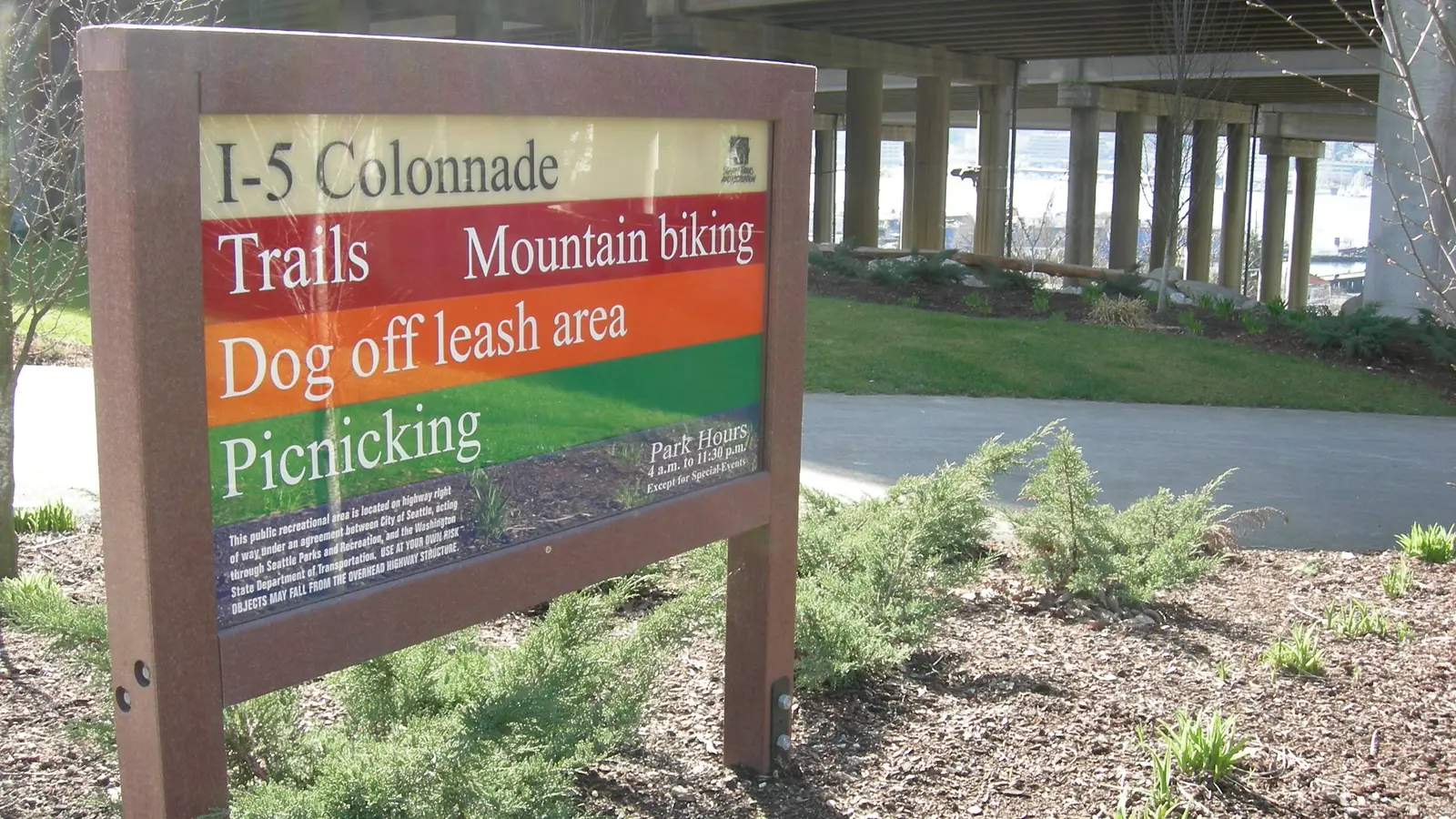
A 14-year-old boy died Tuesday evening in Seattle’s Eastlake neighborhood after losing control of an electric motorized bike while riding down stairs under Interstate 5 at The Colonnade, an urban mountain bike park. KUOW reports that Seattle Fire Department and Seattle Police responded around 6 p.m. The teen was wearing a bike helmet, but according to officials his injuries were severe and he died at the scene.
Police have not identified the boy, and they have not identified the brand or manufacturer of the bike he was riding. Those facts matter, because they set the limits of what anyone can responsibly say about this crash right now.
What is already clear is the larger conversation it lands in. Washington passed Senate Bill 6110 earlier this year, and the work group it created is now reviewing how the state regulates electric bikes, including whether some high-power machines belong in a different category entirely.
What KUOW Reported
KUOW’s Esmy Jimenez reported the story on July 8. The confirmed facts are limited: the crash happened at The Colonnade, the rider was a 14-year-old boy on an electric motorized bike, he was helmeted, and he did not survive. The Colonnade is a well-known urban mountain bike park built into the space under I-5, with technical features including stairs.
The report also puts the crash in a wider medical context. Dr. Beth Ebel, a pediatrician at Harborview Medical Center, told KUOW the hospital has seen a rise in e-bike accidents. That tracks with what trauma centers in other states have been saying as electric bikes, and machines sold alongside them, have become more common with young riders.
None of that tells us why this particular crash was fatal, and we are not going to fill that gap with speculation. A family lost a child. The useful response is to look honestly at the questions the state is already asking.
The Classification Question Behind the Story
Bike advocates quoted by KUOW are pointing at a real gap: some machines sold in the same channels as e-bikes are much closer to motorcycles in power, and advocates argue they should be reclassified as e-motorcycles so the rules match the hardware.
Lee Lambert, executive director of the Cascade Bicycle Club, put it this way to KUOW: “From a policy perspective, if we’re going to make things safer, we need to be clear on what we’re talking about so we can regulate the right things the right way.”
That is the same boundary problem we cover constantly at RoostMode. The three-class e-bike system, explained in our e-bike classes guide, caps what counts as an electric bicycle. Machines above those limits, including many of the models covered in our electric dirt bikes hub, are a different category of vehicle with different rules about where they can be ridden, even when they have pedals and look like bicycles in a product listing.
To be clear, we do not know which side of that line the bike in this crash falls on, because officials have not identified it. The point is not about this machine. It is that the boundary is blurry enough, at the point of sale and in riders’ heads, that Washington’s legislature decided it needed a formal review.
What SB 6110 Actually Does
Senate Bill 6110 went into effect last month. Per KUOW, it established a work group that includes the Washington Department of Licensing, the Washington Department of Transportation, and other agencies. Lambert is part of that group.
The work group’s job is to come back with recommendations, and KUOW reports those could include registration or vehicle licensing for some bikes. That would be a meaningful shift. Today, a legal Class 1, 2, or 3 e-bike in most states requires no registration, no plate, and no license, which is a large part of the appeal. A recommendation to register or license some higher-power machines would formalize the line advocates like Lambert are describing.
Nothing has been decided yet. The group is doing its review now, and any changes would come through the normal legislative and rulemaking process. If you ride in Washington, this is worth following through the official bill summary rather than secondhand summaries.
What Riders and Parents Can Check Today
You do not need to wait for a work group report to close the gap between what a machine is and what a household assumes it is. Before buying, and before handing a machine to a younger rider, verify the basics.
Confirm the class, or confirm there isn’t one. A legitimate Class 1, 2, or 3 e-bike states its class, its top assisted speed, and its motor power. If a listing advertises speeds or power well beyond those limits, or offers an “off-road mode” that bypasses them, it is not operating as an e-bike no matter what the marketing says. Our class guide covers how to read those numbers.
Match the machine to where it will actually be ridden. Bike paths, parks, trails, and streets each have their own rules, and they differ by state and city. Our state-by-state e-bike law guide is a starting point, but local park rules, like those governing a facility such as The Colonnade, are set locally and are worth checking directly.
Match the machine to the rider. Age, size, and experience all matter more as power goes up. Several states set minimum ages for Class 3 e-bikes, and higher-power machines beyond the class system are generally not intended for young riders at all.
Take gear seriously, and know its limits. A bike helmet is the baseline and this rider was wearing one. It is worth saying plainly that helmets reduce risk; they do not eliminate it, and no piece of gear makes technical terrain or higher speeds safe by default.
What Happens Next
The SB 6110 work group’s recommendations are the concrete thing to watch. Whether Washington lands on reclassification, registration, licensing, or something else, the outcome will likely influence how other states handle the same boundary, the way early adopters of the three-class system did a decade ago.
We will follow the work group’s output and update our Washington coverage in the state law guide as recommendations become actual rules. In the meantime, the practical takeaway does not depend on any legislature: know exactly what a machine is before you buy it or ride it, and be honest about where it belongs.
Sources
- Death of Seattle teen raises questions about e-bike regulation (KUOW)
- Washington Legislature bill summary, SB 6110