
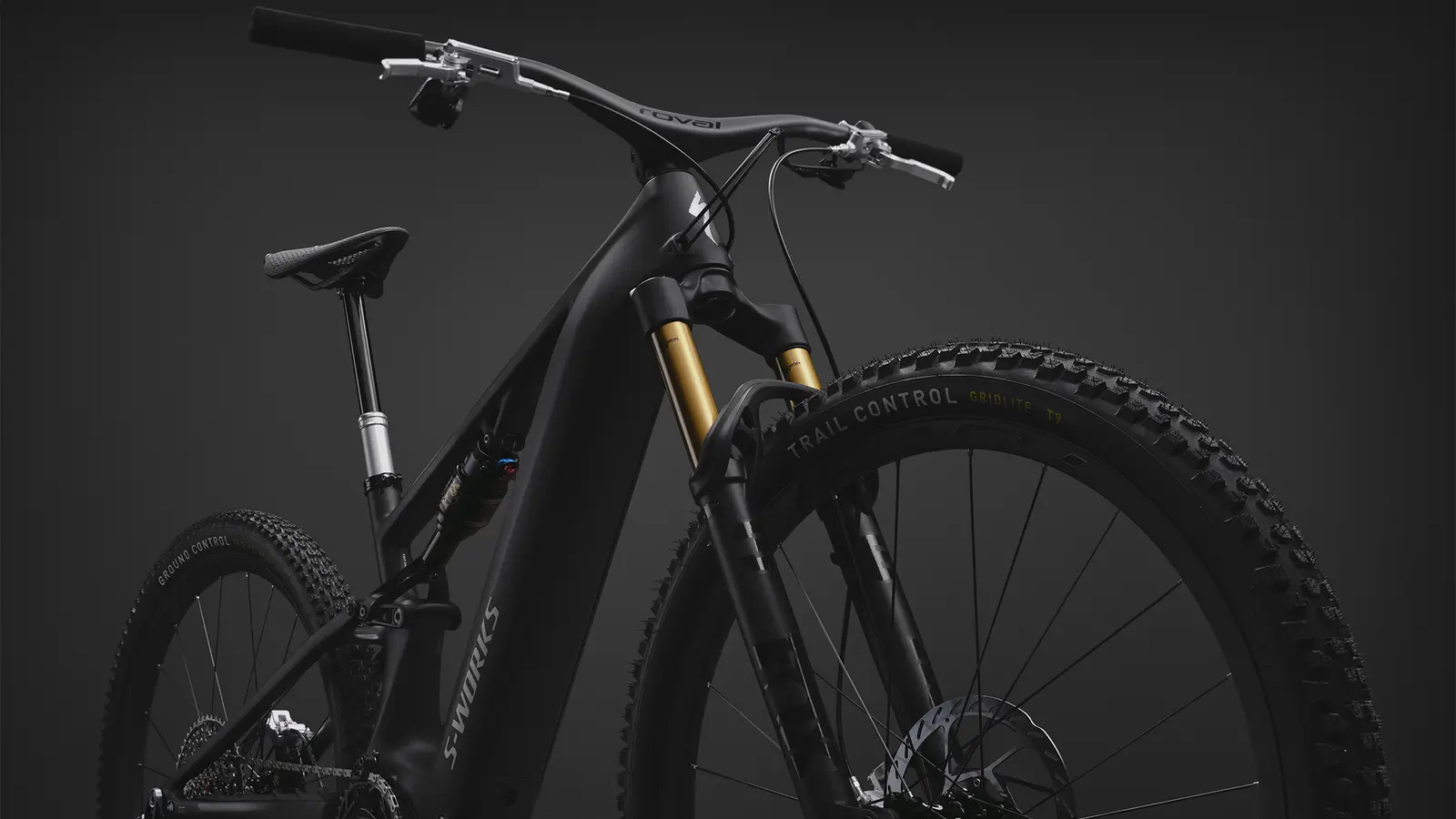
Specialized has a new headline number. As reported by Travis Reill at Singletracks on July 21, 2026, the S-Works Levo R Ultralight is claimed to weigh 18.8 kg, or right around 41.5 lb, while keeping the same full-power drive unit as the rest of the Levo R line: 850W of peak power and 111 Nm of torque. Specialized calls it the brand’s lightest complete full-power e-MTB, and per Singletracks only two mid-power Levo SL builds in the company’s own catalog undercut it on weight.
That is a genuinely striking figure for a full-power electric mountain bike, a category where 50 lb is normal. But the way Specialized got there matters more to a buyer than the number itself. Roughly half the savings comes from a smaller battery, and the other half comes from components chosen for grams first and toughness second. At a reported $12,999.99, which is $1,500 more than the regular S-Works Levo R, the real question is not whether the bike is light. It is whether you want to pay more for a bike that goes fewer miles and rides on parts with thinner margins for abuse.
Every specification, weight, and price in this article is a Specialized claim or a Singletracks-reported figure. RoostMode has not ridden or tested this bike, and nothing here is verified performance.
What Specialized Announced
The Levo R platform was already unusual. It is a short-travel, downcountry-style e-MTB that carries a full-power drive unit rather than the reduced-output motors that light e-MTBs normally accept. Singletracks previously measured its test S-Works Levo R, a size S5, at 48 lb, against a Specialized claim of 46 lb for a size S3. The Ultralight build takes that same platform and, per Specialized, cuts about 5 lb more.
The recipe has two parts. First, the battery: the Ultralight ships with a 600Wh pack instead of the 840Wh battery in other Levo R builds, which Singletracks reports saves about 2.6 lb on its own. Second, the component sheet, which reads like a weight-weenie order form. Roval Control SL VI carbon rims, 5mm narrower than the Traverse SL rims on the regular S-Works build, laced with carbon spokes to Industry Nine Solix hubs. SRAM’s Eagle XX SL Transmission in place of the XX version. Trickstuff Direttissima brakes instead of SRAM Motives, a swap Singletracks pegs at about 20 g. Tires with lighter, thinner casings that Singletracks says save around another pound. A BikeYoke Revive 3.0 dropper in place of a RockShox Reverb AXS, worth roughly 200 g. A carbon-railed saddle. None of these changes is dramatic alone. Together they account for the half of the diet the battery does not.
The Spec Sheet, Side by Side
S-Works Levo R Ultralight vs S-Works Levo R (all figures are Specialized claims or Singletracks-reported)
data| Spec | Levo R Ultralight | S-Works Levo R |
|---|---|---|
| Claimed weight | 18.8 kg / 41.5 lb | 46 lb claimed (S3); 48 lb as measured by Singletracks (S5) |
| Drive unit | 850W peak, 111 Nm | 850W peak, 111 Nm |
| Battery | 600Wh | 840Wh |
| Wheels | Roval Control SL VI carbon rims, carbon spokes, Industry Nine Solix hubs | Roval Traverse SL rims, 5mm wider per Singletracks |
| Drivetrain | SRAM Eagle XX SL Transmission | SRAM XX Transmission |
| Brakes | Trickstuff Direttissima | SRAM Motive |
| Tires | Trail and Ground Control, lighter casings, Grid Lite rear | Purgatory, sturdier casings |
| Dropper post | BikeYoke Revive 3.0 | RockShox Reverb AXS |
| Reported price | $12,999.99 | $1,500 less per Singletracks |
The Range Math Buyers Should Do First
The 600Wh battery carries about 71 percent of the capacity of the 840Wh pack in other Levo R builds. Batteries do not convert to miles in a straight line, but capacity is the honest starting point, and there is a useful reference here: in Singletracks’ review of the regular S-Works Levo R, the reviewer reported getting about 32 miles and 3,000 feet of climbing from the 840Wh battery while riding mostly in Eco and Trail modes. Cut the tank by 29 percent and you should plan on meaningfully less than that, especially if you like the higher assist modes that make a full-power motor worth owning in the first place.
That leads to the Ultralight’s most awkward footnote. Specialized sells a 3.1 Range Extender for an additional $700, which Singletracks reports adds about 3.5 lb. Bolt it on and you have spent roughly $2,200 over the regular S-Works price to arrive back near the weight you started at, with less total capacity than the 840Wh bike. If your typical ride is long or your climbs are big, the standard Levo R battery is not a compromise. It is the point. Our guide to real-world e-bike battery life covers why claimed capacity and usable miles diverge, and why assist mode is the biggest variable you control.
Light Parts Carry Their Own Fine Print
The component list raises the same question three different ways: how much durability are you trading for grams on a bike with a full-power motor?
Start with the wheels. Singletracks points out that the Roval Control SL line is intended for XC riding and openly asks whether an e-bike is too much for them. Carbon spokes compound the concern, not because they are inherently fragile, but because a broken one is not a parts-bin fix at the local shop the way a J-bend steel spoke is. Then the tires: the Trail and Ground Control treads are less aggressive than the Purgatory rubber on the regular S-Works build, and the rear runs a thin Grid Lite casing. Lightweight casings are the first thing experienced riders swap off a hard-charging e-MTB, and a sturdier replacement set quietly gives back a chunk of the claimed weight advantage.
The brakes tell a similar story from the cost side. Trickstuff is a small German manufacturer with a strong reputation and a far smaller service and parts footprint than SRAM, so pads, bleed parts, and warranty support take more effort to source in North America. The savings over the SRAM Motives is about 20 g per Singletracks, which is a rounding error you may pay for in convenience later. None of this makes the Ultralight a bad bike. It makes it a bike whose spec sheet assumes a smooth, light rider and a well-funded repair budget. If you are new to what routine e-MTB upkeep involves, our e-bike maintenance schedule is a realistic baseline, and every item on it gets more expensive at this component tier.
Who the Math Works For
There is a rider this bike serves well: someone who values handling above all, rides shorter and punchier trails, keeps assist modest, and can absorb boutique repair costs without wincing. For that rider, a full-power e-MTB that Specialized claims weighs less than many mid-power bikes is a real and rare thing, and the $300 per saved pound is a price they have happily paid on analog bikes for years.
For most buyers, the regular S-Works Levo R, or a cheaper Levo R build, is the more rational machine. Same motor, same 111 Nm, 40 percent more battery, tougher wheels and tires, mainstream brakes, and $1,500 back in your pocket. Five pounds on a bike with 850W of peak assist is something you notice most when lifting it onto a rack. The battery difference is something you notice on every long ride. It is also worth remembering that flagship halo builds exist partly to make the rest of the range look sensible, and in this case the rest of the range genuinely is.
FAQ
FAQ
+Has RoostMode ridden the Specialized Levo R Ultralight?
+How much lighter is the Ultralight than the regular S-Works Levo R?
+Does the smaller battery mean less range?
+Can you add range back later?
+Are the lightweight components a durability risk?
Sources
- New Specialized S-Works Levo R Ultralight is the brand’s “lightest complete full power e-MTB” (Singletracks, July 21, 2026, by Travis Reill): the primary report and the source of the claimed weight, price, battery capacities, component list, weight-savings breakdown, range extender details, and the earlier S-Works Levo R measured weight and range observations referenced throughout.
All product figures originate with Specialized and reach this article through Singletracks’ reporting. RoostMode has not independently verified any specification, weight, or price.